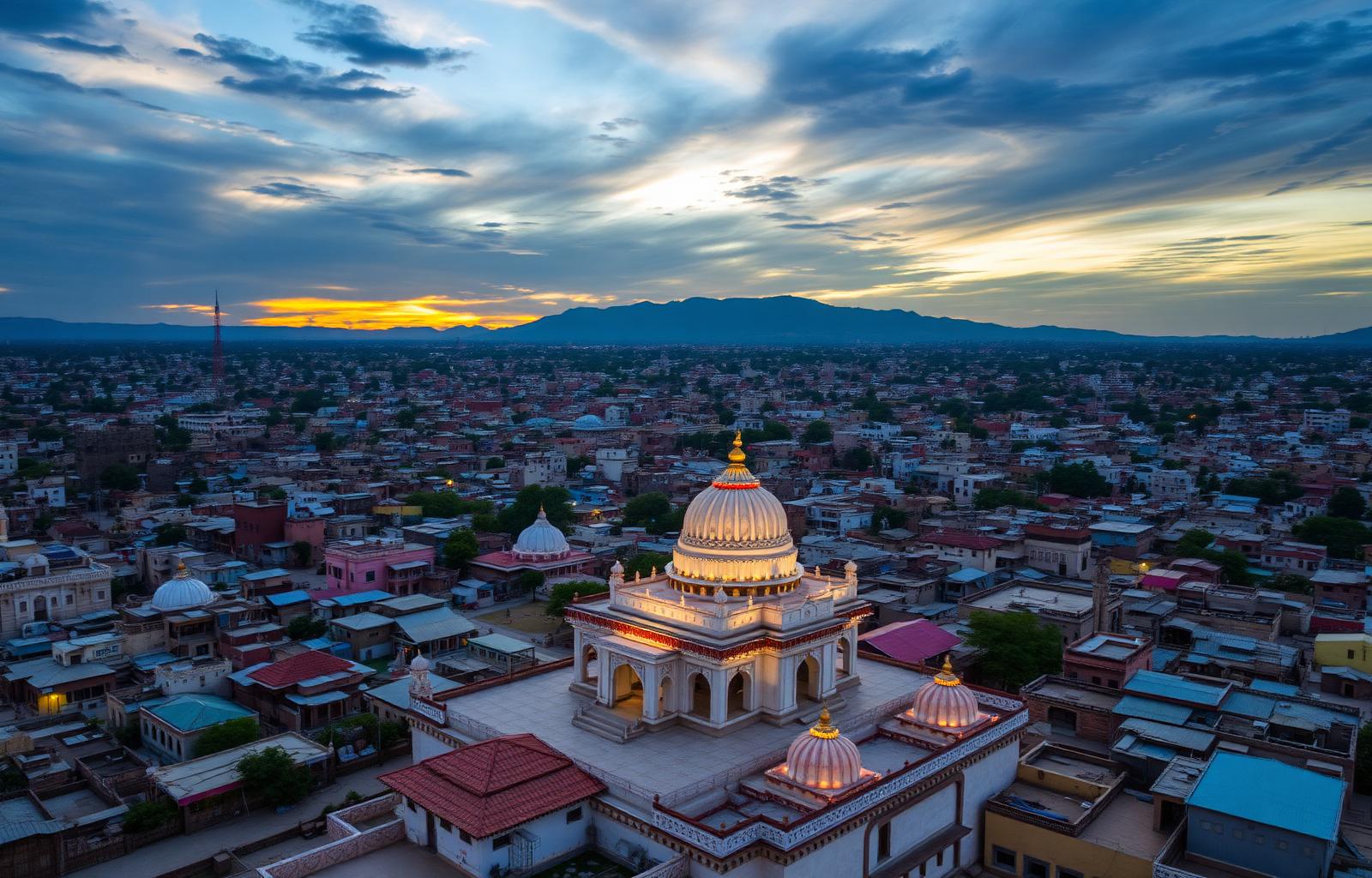
The Dargah
Ajmer Sharif Dargah
درگاہ خواجہ معین الدین چشتی
The mausoleum of Khwaja Moinuddin Chishti (R.A.) — Gharib Nawaz, the helper of the poor — and one of the most beloved spiritual sanctuaries of South Asia.
The Saint
Khwaja Moinuddin Chishti — Gharib Nawaz
Born in Sistan in 1141 CE, Khwaja Moinuddin Chishti was a Persian Sunni Sufi mystic of the Chishti order. He travelled across Central Asia, studying in Samarkand, Bukhara and Baghdad, and is said to have been guided in a vision to settle in India.
He arrived in Ajmer in the 1190s and made his home in this small Rajputana town for the rest of his life. He preached love, simple living, service to the poor, and the recognition of God in every human being — regardless of caste, creed or station. He became known as Gharib Nawaz, the helper of the poor.
He passed away in 1236 CE, and the simple tomb that grew over his grave became, over the centuries, one of the great pilgrimage sites of the Indian subcontinent.
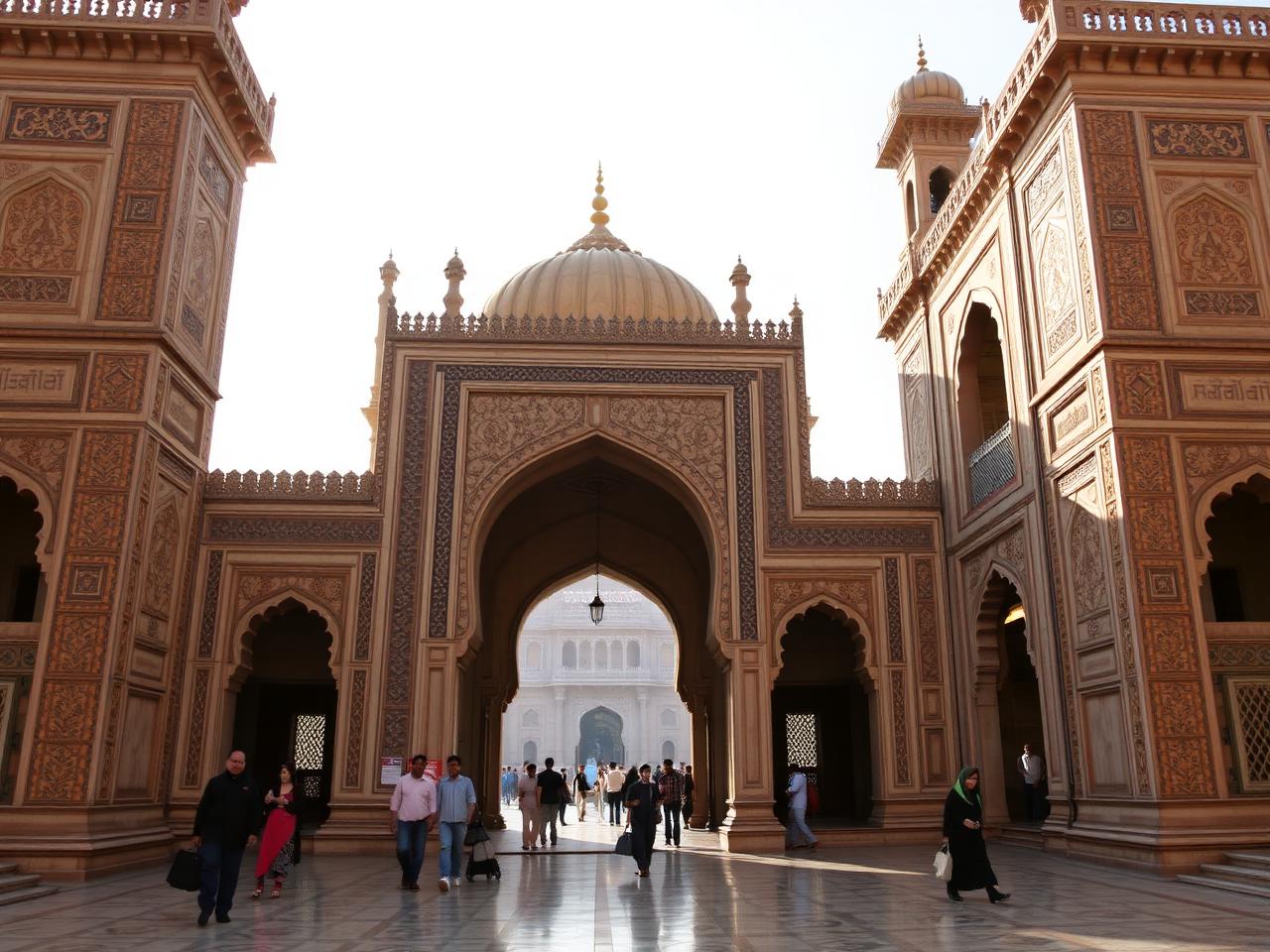
The Shrine
A door no one is turned away from
The dargah complex was expanded under successive emperors — Iltutmish, Humayun, Akbar, Shah Jahan — each adding gateways, courtyards and marble. The Nizam Gate and the Buland Darwaza welcome pilgrims into a sequence of courtyards that culminate at the white marble Mazar Sharif itself, crowned by a dome of pure silver and gold.
Inside, the tomb is draped in green chaddars and surrounded by an ornate silver jaali, where devotees tie threads of mannat — vows that wait to be untied when wishes are fulfilled.
Hindu, Muslim, Sikh, Christian — for over eight hundred years, devotees of every faith have stood at this threshold. Mughal emperors walked here barefoot. Today, families across the world send their prayers ahead of them, and we carry them across the marble in their place.
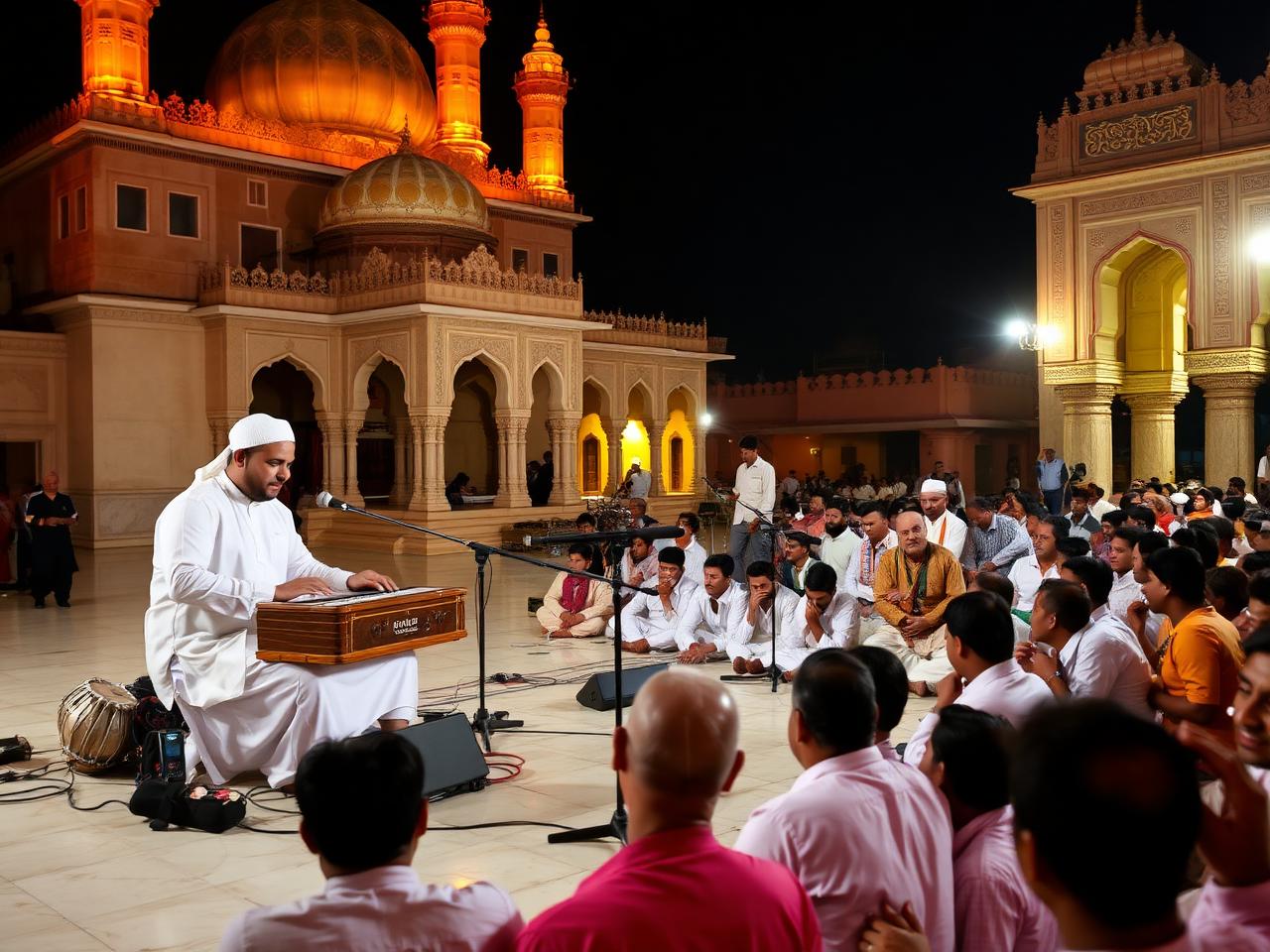
The Urs
Six days of remembrance
Each year, in the month of Rajab, the Urs Sharif marks the death anniversary of Khwaja Garib Nawaz — a celebration not of mourning but of union, the soul reaching its beloved. For six days the dargah is open through every night, qawwals sing without rest, and over a million pilgrims arrive in Ajmer.
The Jannati Darwaza — the gate of paradise — is opened only during these days. The deghs are filled, the langar runs without pause, and the air around the Mazar Sharif is thick with rose petals, smoke from loban, and the rising and falling of qawwali.
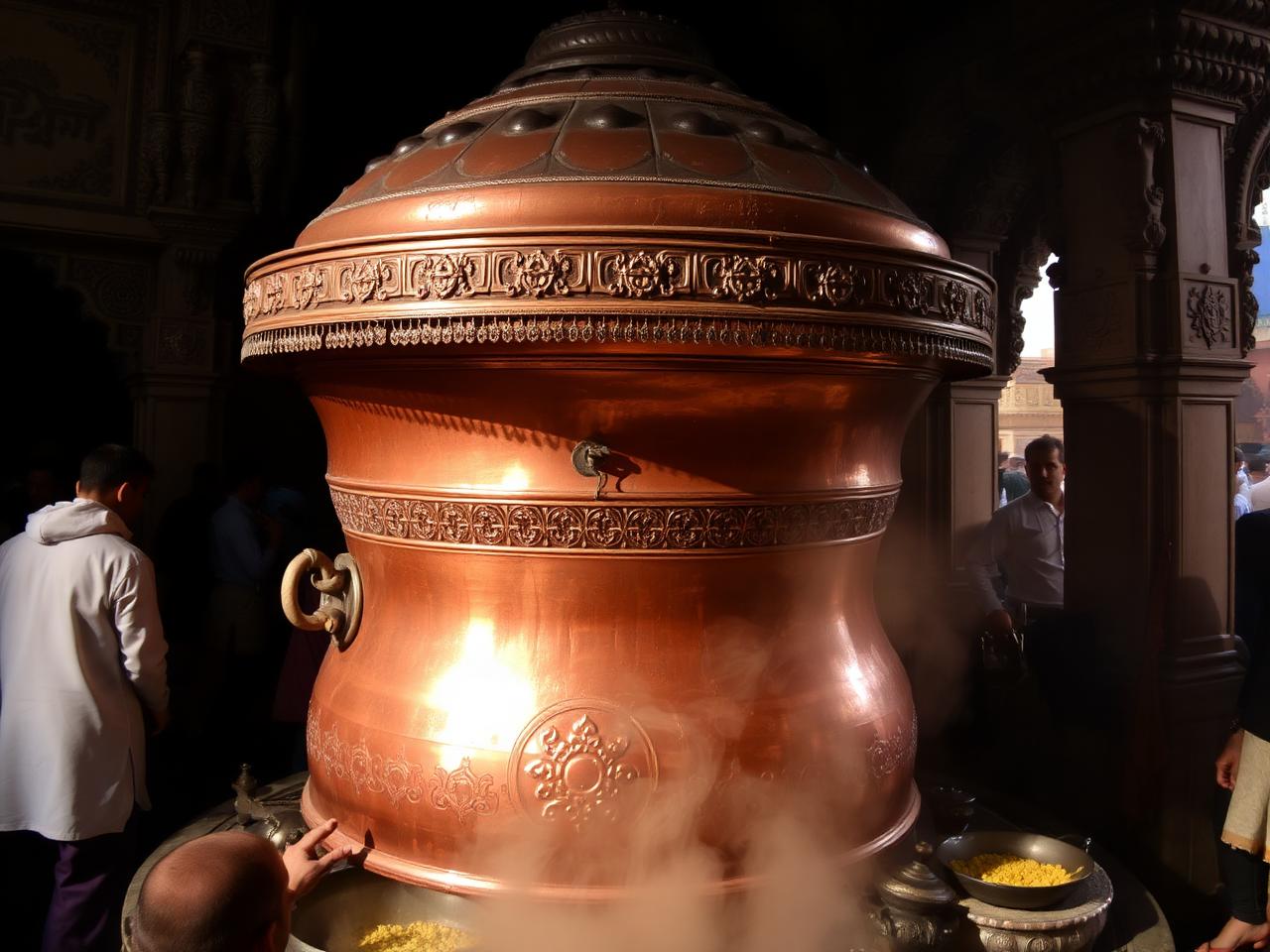
The Deghs
The great copper cauldrons of Ajmer
Two enormous copper deghs — the Badi Degh, gifted by Emperor Akbar in 1567, and the Choti Degh, gifted by Emperor Jahangir — sit in the second courtyard of the dargah. The larger one can cook nearly five thousand kilograms of sweet kheer at once.
When the deghs are cooked and lifted, devotees rush forward to receive the tabarruk. To send a portion of this kheer to a devotee far away, hand-tied in green cloth, is one of the oldest sewas of the Khadims of Ajmer.
The Khadims
A custodianship that began with the saint
The Khadims of Ajmer Sharif are hereditary servants of the dargah. We are the descendants of the families that gathered around Khwaja Sahib during his lifetime and have served the shrine ever since. We are not the priests of the dargah — there are none — but the keepers of its threshold.
We light the lamps. We open the gates. We carry the offerings of pilgrims who arrive in person, and the wishes of pilgrims who can only send word. To be a Khadim is to know that everyone who comes to the door is, in some way, a guest of the saint himself.
This site is a small extension of that duty. If the dargah cannot be reached, the threshold can still be served.